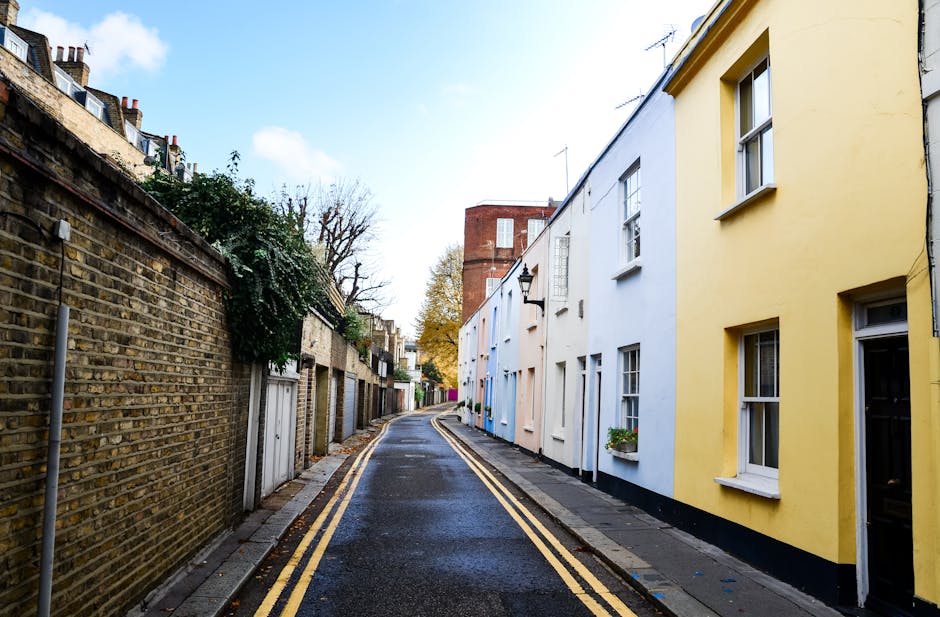
Ilford IG1 House Removals Guide for Narrow Streets
If you are moving house in Ilford IG1, narrow streets can turn a straightforward removal into a real juggling act. One parked car, a tight corner, or a van that is just a bit too long for the road can change the whole day. This Ilford IG1 House Removals Guide for Narrow Streets is here to help you plan properly, avoid the usual headaches, and make the move feel controlled rather than chaotic. Truth be told, the difference between a stressful move and a smooth one is often made before the van even arrives.
In this guide, you will find practical advice on access planning, parking, packing, loading, and choosing the right moving method for tight residential roads. You will also see where services like house removals, man and van, and packing and boxes can make life easier when space is limited. If you have ever stood outside your front door at 7:30 in the morning, staring at a road full of parked cars and thinking, how on earth is this going to work? - you are in the right place.
Table of Contents
- Why Ilford IG1 House Removals Guide for Narrow Streets Matters
- How Ilford IG1 House Removals Guide for Narrow Streets Works
- Key Benefits and Practical Advantages
- Who This Is For and When It Makes Sense
- Step-by-Step Guidance
- Expert Tips for Better Results
- Common Mistakes to Avoid
- Tools, Resources and Recommendations
- Law, Compliance, Standards, or Best Practice
- Options, Methods, or Comparison Table
- Case Study or Real-World Example
- Practical Checklist
- Conclusion
- Frequently Asked Questions
Why Ilford IG1 House Removals Guide for Narrow Streets Matters
Narrow streets are not just an inconvenience. They affect timing, vehicle choice, carrying distance, safety, neighbour relations, and even whether the move can happen at all without last-minute improvisation. In IG1, where residential streets can be tightly lined with parked vehicles and sharp turns, a normal-sized removal truck may struggle to get close to the property. That means more walking, more handling, and more chances for delays.
This matters because moving day already comes with enough pressure. Boxes are stacked. The kettle is packed. Someone is looking for the cat. The last thing you want is a van circling the block while the loading team loses time and your sofa sits in the hallway like an awkward guest.
Good planning also reduces risk. Narrow access increases the chances of scraped door frames, bumped furniture, blocked pavements, and frustrated neighbours. A sensible removals plan protects your belongings and keeps the move respectful to the street around you. That is especially important in dense areas where parking space is limited and everyone notices a disruption quickly.
For many households, a narrower road does not mean the move is difficult; it just means the move has to be smarter. That is the real point here. The job is still manageable, but it rewards preparation far more than people expect.
How Ilford IG1 House Removals Guide for Narrow Streets Works
At a practical level, moving in a tight street usually comes down to three things: access, vehicle selection, and load strategy. The team needs to understand whether a van can park near the property, how long the carrying route will be, and which items should go out first. Once those factors are clear, the move becomes much easier to direct.
There are usually a few common patterns. Sometimes a smaller vehicle such as a removal van or man with van setup is the best fit because it can position more easily on a tight road. In other cases, a larger vehicle may still work, but only if parking is available nearby and the access route is clear. If the street is especially awkward, a mix of vehicle size, parking timing, and carry planning can be more useful than simply booking the biggest van available.
The process normally starts with a realistic look at the property. Are there steps? A steep front path? Terraced houses with no driveway? Roadworks? A school run? These small details matter. They decide whether movers can stand the vehicle close to the front door or whether they need to split the load into stages. It is not glamorous, but it is the part that saves the day.
For some households, extra services help remove pressure. Packing and unpacking services can reduce the number of items that need careful handling at the curb, while storage can help if the property is not ready in one clean handover. That is often useful in real life, where completions and key handovers do not always line up neatly.
Key Benefits and Practical Advantages
The biggest benefit of planning a narrow-street move properly is simple: it reduces uncertainty. You know where the vehicle can stop, how long loading should take, and what needs protecting. That makes the whole day calmer.
- Shorter loading times because items are packed and staged sensibly.
- Lower damage risk since carriers are not improvising through tight gaps.
- Better neighbour relations because access is managed more considerately.
- Less stress on the day because the plan already accounts for access problems.
- More accurate pricing when the removal company understands the real access conditions.
There is also a hidden benefit that people often overlook: better decisions about what to move first. In narrow streets, the order matters. If the heaviest items are loaded while the route is still clear and people are fresh, the whole job tends to go more smoothly. Leave the fragile lamps and the wobbly mirror for later, and you are asking for trouble. Not always, but enough of the time to matter.
Another advantage is flexibility. Smaller vehicles, staggered loading, or extra carrying assistance can make a tight location much more workable than people expect. That is why services like removal services and house removalists are often a better fit than trying to solve everything with one oversized truck.
Who This Is For and When It Makes Sense
This guide is for anyone moving from or within an IG1 property where street access is limited, parking is awkward, or the front approach is too tight for easy loading. It is especially relevant for terraced houses, converted homes, older streets, and places where cars already line both sides of the road. If the van cannot simply pull up outside the front door, the planning needs to be more deliberate.
It also makes sense for:
- families moving with multiple rooms of furniture
- people with bulky items such as wardrobes, sofas, or beds
- renters needing a same-day handover
- small households with limited help on moving day
- anyone considering a home moves booking and wanting fewer surprises
If you are moving a flat or a smaller property, this can still apply. Narrow stairs, shared entrances, and limited waiting space outside can create the same kind of pressure. In those cases, flat removals may be more suitable than a broad, one-size-fits-all approach.
To be fair, even people who have moved before can get caught out. The last move may have had a wide driveway and an easy lift. This one might not. Same postcode, completely different story.
Step-by-Step Guidance
A good narrow-street move starts with a few simple steps. Nothing fancy. Just practical work done in the right order.
- Survey the access honestly. Walk outside and look at the route from pavement to front door. Check for parked cars, overhanging trees, bins, low walls, tight turns, and steps.
- Measure large items. Sofas, wardrobes, mattresses, appliances, and mirrors should be measured before moving day. If the item barely fitted coming in, it may need extra handling going out.
- Decide on the vehicle type. Smaller vehicles are often easier in narrow streets. If in doubt, compare the likely carrying distance with the size of the road and the parking situation.
- Pack by access priority. Put the items you will need last in the easiest-to-reach place, and the essentials near the front. The move should feel logical, not random.
- Separate fragile and awkward items. Protect anything that can wobble, crack, or snag. Old stair bannisters have a funny way of finding the weak point in a box.
- Plan the parking window. Even without being overly formal about it, know when the vehicle can stop and for how long. Good timing avoids a lot of friction.
- Keep the access route clear. Hallways, front paths, and door thresholds should be free of clutter before the team arrives.
- Load in a sensible sequence. Heavy and stable items first, delicate items later, and everyday essentials kept separate so they are easy to locate at the new home.
If the property has especially awkward access, you may want to ask whether a smaller support vehicle such as a man with a van setup or a dedicated removal truck hire arrangement suits the street better than a larger unit. There is no prize for using a vehicle that technically fits but practically makes the day harder.
Expert Tips for Better Results
Here is the part that usually saves time: treat the street like part of the moving job, not just the background. Sounds obvious, but people skip it all the time.
Use a two-zone packing approach. Keep one group of items ready for immediate loading and another group for later in the day. That keeps the doorway from turning into a bottleneck. A lot of delays happen because every box gets placed in the same vague pile, and then nobody can tell what should go first.
Think about carry distance, not just parking distance. A van parked thirty metres away on a quiet street is one thing. Thirty metres through a line of tight gates, a sloped path, and two doorsteps is another. It all counts.
Protect edges before the team arrives. Door frames, banisters, and vulnerable corners are worth covering if access is tight. It is a small effort, but it can save a nasty scuff mark that annoys you for weeks.
Book with access in mind. If you know the road is tight, do not leave the booking conversation until the last minute. A proper removals company will want the truth about the property, not the ideal version. That includes whether the street is usable for a larger vehicle or better suited to a removals team working with a smaller van or staged loading.
Leave breathing room around the move. If possible, keep the day free of other commitments. Narrow-street moves rarely benefit from rushed schedules. And yes, that includes the "I'll just pop out for ten minutes" plan. Those ten minutes have a habit of becoming thirty.
Common Mistakes to Avoid
Most narrow-street problems are preventable. Not all, but most. The trouble is that people often focus on packing the house and forget the route outside it.
- Assuming the largest vehicle is best. Sometimes it is not. Easier access and shorter carry distance can matter more than capacity.
- Not checking parking properly. A van that cannot stop near the door slows everything down.
- Underestimating bulky furniture. Beds and wardrobes look manageable until they meet a stair turn or narrow hall.
- Packing too loosely. Boxes that collapse or shift are a real nuisance when the route is tight.
- Forgetting neighbour impact. Blocking a shared street without warning can create avoidable tension.
- Leaving packing until the night before. That is a classic. Very human, very risky.
A smaller but still common mistake is ignoring the weather. A damp morning in London can make cardboard softer, stair treads slicker, and pavements less forgiving. Nothing dramatic, just enough to slow things down if you have not planned for it.
Another one: trying to move everything in one wave. Sometimes a staged approach is better, especially when access is cramped. It is not a sign of a weak plan. It is usually the smarter one.
Tools, Resources and Recommendations
You do not need a warehouse of specialist kit to handle a narrow-street move well, but a few things make a meaningful difference.
- Furniture blankets and pads for protecting doors, tables, and polished surfaces.
- Strong boxes with clear labels so items can be loaded and unloaded in the right order.
- Temporary floor protection where the entrance is delicate or weathered.
- Straps and trolleys to help with longer carry routes.
- Plastic wrapping for mattresses, soft furnishings, and anything that could pick up dirt in a narrow hallway.
For most households, the most useful recommendation is not a tool at all: it is a realistic removals plan. If you need a simple move with a few bulky items, a service such as man and van may be enough. If the move is larger and the access is tricky, a broader house removalists team may be a better fit. And if you are moving valuables or awkward furniture, extra support from furniture removals can be useful.
There is also a practical side to company selection. Look for removal companies that talk clearly about access, handling, and planning. If they ask the right questions early, that is a good sign. If they do not, well, that tells you something too.
Law, Compliance, Standards, or Best Practice
When moving in a residential street, the safest approach is to follow normal UK road, parking, and handling expectations carefully, and to work in a way that does not create unnecessary obstruction or risk. Exact requirements can vary by local situation, so it is wise to confirm what applies to your street rather than assume. That said, a few best-practice principles are fairly consistent.
First, keep access safe. Do not block pavements or entrances in a way that creates avoidable hazards. If the carrying route crosses a public footway, the team should remain attentive to pedestrians, pushchairs, and neighbours coming and going.
Second, handle goods safely. Heavy items should be lifted with proper care, and anything fragile should be packed so it can survive turns, steps, and the occasional bump. Good health and safety policy standards matter here, especially on tight streets where one misstep can have a bigger knock-on effect.
Third, use appropriate insurance and clear terms. Before booking, it is sensible to understand what cover is provided, what exclusions may apply, and how the move is managed if access turns out to be more difficult than first thought. Pages such as insurance and safety, terms and conditions, and payment and security are useful for understanding those basics.
Fourth, think about waste and packing disposal responsibly. If you are clearing out old items before the move, it helps to separate reusable belongings from waste. A service with a sensible recycling and sustainability approach is often easier to work with, and a bit kinder on the planet too.
That may sound a bit formal for a moving guide, but in practice it keeps everyone safer and less irritated. And that matters.
Options, Methods, or Comparison Table
When streets are narrow, the best moving method depends on the size of the property, the amount of furniture, and how much space you have to work with outside. Here is a simple comparison to help you judge the options.
| Approach | Best for | Strengths | Limitations |
|---|---|---|---|
| Small van / man and van | Compact moves, limited parking, short carry routes | Easier to position, flexible, often well suited to tight roads | Less capacity, may need more trips |
| Standard house removals vehicle | Medium to large moves where parking is possible nearby | More capacity, efficient loading, good for fuller homes | Can be awkward on very tight roads |
| Staged move with storage | Properties with timing gaps or limited access | Reduces pressure, useful for delayed handovers | May add an extra step to the process |
| Specialist furniture handling | Large, fragile, or difficult furniture | Improves protection and manoeuvring | Best as part of a wider move plan, not a standalone fix |
As a rule of thumb, if the street is tight but the move is modest, a smaller vehicle often wins. If the home is large and access is just manageable, a more complete moving team may be the better long-term choice. The right answer is rarely the same for every house. A front room full of standard boxes is one thing; a piano and a glass cabinet are another entirely.
Case Study or Real-World Example
Here is a realistic example. A family in IG1 was moving from a terraced house on a narrow residential road with parked cars on both sides and no driveway. The previous move they had done was easy, so they initially assumed this one would be similar. It was not.
Once they walked the route properly, they realised a larger vehicle would have to stop a short distance away and the team would need to carry items around a bend before reaching the front door. That changed the plan. Instead of packing casually and hoping for the best, they grouped furniture by size, cleared the hallway the night before, and used sturdier boxes for books and kitchenware. They also decided to split the move into two loading phases so the most difficult items went first while the street was still quiet.
The outcome was much calmer than expected. A sofa that looked impossible at first was moved without drama, because the team had room to turn it gradually rather than forcing it through in one awkward push. The family admitted later that the real win was not speed, it was not having to panic. Which, let's face it, is half the battle on moving day.
That sort of result is common when the access plan is treated as part of the move, not an afterthought.
Practical Checklist
Use this checklist before move day. It is simple, but it catches a lot of the little things that cause trouble.
- Walk the route from door to vehicle and check for tight points.
- Measure the biggest furniture items and confirm they can turn safely.
- Decide whether a smaller van, a larger vehicle, or staged loading is best.
- Clear the hallway, doorstep, and front path the evening before.
- Label boxes clearly and keep essentials separate.
- Protect vulnerable walls, bannisters, and door frames where needed.
- Confirm timing so the vehicle can stop when access is easiest.
- Set aside keys, documents, chargers, and immediate-use items.
- Check whether storage could help if your dates do not line up neatly.
- Make sure everyone involved understands the loading order.
If you can tick most of those off, you are already ahead of the game. Honestly, that alone prevents a surprising amount of day-of chaos.
Get a free quote today and see how much you can save.
Conclusion
Narrow streets do not have to make house removals stressful. They just ask for better planning, a more realistic view of access, and the right moving method for the space you actually have. If you prepare properly, the move becomes far more manageable, even on a tight IG1 road with parked cars and limited turning room.
The key is to think beyond the boxes. Consider the street, the parking, the carry distance, the size of the vehicle, and how the furniture will move through each pinch point. That is what separates a rushed move from a well-handled one. And if you need help with the broader process, services like removal companies, house removals, and packing and unpacking services can make the practical side much easier.
Move with a plan, not a guess. It makes all the difference.
Frequently Asked Questions
What is the biggest challenge with house removals on narrow IG1 streets?
The biggest challenge is usually access. Limited parking, tight turning space, and a longer carry distance can slow everything down and make loading more physical.
Is a smaller van always better for narrow streets?
Not always. A smaller van is often easier to position, but the best choice depends on how much furniture you have, where it can park, and whether you want fewer trips or easier access.
How do I know if my street is too tight for a removal truck?
Look at road width, parked cars, bends, and whether a vehicle can stop close enough to the property without blocking the route. If in doubt, speak to the removals team and describe the street honestly.
Should I book packing help for a narrow-street move?
It can help a lot. Packing and boxes support or full packing services reduce last-minute chaos and make loading more efficient when access is awkward.
What should I do if there is no driveway?
Plan around the nearest safe stopping point, keep the front path clear, and choose a vehicle size that can work with the actual street conditions. If necessary, a smaller setup may be the better fit.
Can I still move large furniture from a narrow street?
Yes, usually. Large furniture often needs more care, proper padding, and a sensible loading order. In some cases, specialist furniture handling or a different vehicle setup makes the job much easier.
How far in advance should I plan a narrow-street move?
As early as you can. Even a simple move benefits from early planning, especially if parking is limited or if you need storage, timing flexibility, or extra labour on the day.
What if my moving dates do not line up perfectly?
That is quite common. In those situations, storage can be useful so you are not forced to rush the move or squeeze everything into one awkward handover.
Is a man and van service suitable for house removals in narrow streets?
Often, yes, especially for smaller homes or lighter loads. A man and van service can be a practical choice where access is tight and flexibility matters more than maximum capacity.
Do I need to tell the removals team about parked cars and road layout?
Absolutely. The more accurately you describe the street, the better the team can plan the vehicle, timing, and loading method. Small details can save a lot of stress later.
Are there safety or insurance points I should check before booking?
Yes. It is sensible to review the provider's insurance and safety information, along with the booking terms, so you know how the move is handled and what is covered.
What is the best first step if I feel overwhelmed by the move?
Start with the street itself. Walk outside, look at access honestly, and decide what kind of vehicle and support you actually need. Once that is clear, the rest gets easier very quickly.